
- Home
- Local Wildlife
- Terrestrial Invertebrates
Terrestrial Invertebrates
(Ants, Bees & Wasps, Beetles, Bugs, Butterflies, and Moths)
Antlions Antlions are net-winged insects that go through complete metamorphosis, starting as specialized predatory larvae before becoming winged adults. The larvae are commonly called "Doodle Bugs" because of the wavy trails they leave in the sand while looking for a spot to dig their conical trap pits. When an insect falls into the pit, the larva uses its sickle-shaped jaws to grab the prey and inject enzymes that turn the victim's insides into a liquid it can drink. As adults, they look like less colorful damselflies with long, clubbed antennae and are mostly active at night, feeding on pollen and nectar. Informational Resources: |
|

| Aphids Aphids are tiny, teardrop-shaped bugs that use straw-like mouth-parts to suck sap from plants. This habit makes them common garden and crop pests, including those that attack Idaho potatoes. They can multiply incredibly fast because females are able to clone themselves through a process called parthenogenesis. These insects produce a sugary liquid called honeydew, which they trade to ants in exchange for protection from predators. They also have two small tubes on their rears called cornicles that spray defensive chemicals to keep them safe. Informational Resources: |

Bumble Bees Bumble bees are unique for their use of "buzz pollination," a technique where they vibrate their wings at a specific frequency to trigger the release of pollen from flowers. While they feed on nectar through a long proboscis that can be tucked under the body, they forage individually and do not use complex dances to communicate food locations to the rest of the colony. Most species are eusocial, living in underground colonies of roughly 50 individuals ruled by a single queen. Unlike honey bees, female bumble bees have unbarbed stingers that allow them to sting multiple times, though they remain generally docile unless their nest is disturbed. Informational Resources: |
|

| Carpenter Ants Carpenter ants are the largest ant species found in Idaho, with some individuals growing up to half an inch long. They can be identified by a single node connecting the thorax and abdomen, along with fine white hairs located on their abdomens. These nocturnal herbivores are known for using their strong mandibles to hollow out wood for their nests, though they do not eat the wood like termites. Their eusocial (highest level of animal social organization) colonies utilize a specialized workforce of three different worker sizes, where major workers guard and forage while minor workers tend to the eggs. When a winged queen starts a new colony in decaying wood, she survives by absorbing her own wing muscles and fat reserves to nourish her first brood. While generally focused on maintaining their colony, their powerful jaws are capable of delivering a painful bite if they are disturbed. Informational Resources: |

Cobalt Milkweed Beetle The Cobalt milkweed beetle is a member of the family Chrysomelidae, which are more commonly known as leaf beetles. Like most species in this family, it possesses a small, domed body, filiform (thread-like) antennae, and chewing mouthparts. It is physically distinguished by its vibrant metallic blue or teal coloration, a characteristic common to many leaf beetles. As part of the order Coleoptera, it has hardened forewings called elytra that protect its flying wings and lack any visible wing venation. These beetles go through complete metamorphosis, meaning they progress through egg, larval, and pupal stages before becoming adults. Informational Resource: |
|

Deer Fly Deer flies (family Tabanidae) are active day-fliers commonly found in wetland habitats or near streams. They are easily identified by their bright, colorful compound eyes and clear wings that feature distinct dark banding. While both males and females feed on nectar and pollen, females require a blood meal to produce eggs; instead of piercing like a mosquito, they use powerful mandibles to cut the skin, which can result in painful welts and the transmission of disease to humans and livestock. As members of the order Diptera, they undergo complete metamorphosis, and their larvae live in semi-aquatic environments where they are eager predators of other invertebrates. In Idaho's Treasure Valley, common species include the Golden Deer Fly and the Furious Deer Fly. | Darkling Beetle Darkling Beetles (family Tenebrionidae) are typically black, ground-dwelling insects that are well-adapted to dry, arid climates like the Idaho Foothills. While they vary in size, larger local species—specifically the Desert Stink Beetle—are often flightless because their protective wing covers (elytra) are fused together. These beetles are famous for a unique defense mechanism: when threatened, they lift their abdomens into the air and release a foul-smelling, but harmless, odor. Because they have very slow metabolisms, adult darkling beetles can live for up to seven years, which is significantly longer than most other adult insects. Both adults and their larvae, which are widely known as mealworms, survive on a diet of plants and decaying organic matter, though they can occasionally become household pests by infesting stored grain products like cereal.
|


| Earwigs Earwigs are easily recognized by their flattened, dark brown bodies and the specialized pincers, or cerci, located at the end of their abdomens. These insects undergo incomplete metamorphosis and feature leathery forewings called tegmina that protect hidden, membranous hindwings, though they are rarely seen flying. Primarily nocturnal and attracted to damp environments, earwigs are often beneficial to gardens because they feed on various pests and help with pollination. Unlike many other non-social insects, female earwigs provide dedicated parental care, guarding their eggs and feeding their young until their second molt. While they can use their pincers to deliver a minor pinch in self-defense, the common myth that they crawl into human ears to lay eggs in the brain is completely false. Informational Resources: |

Field Cricket Field crickets are characterized by their stout black bodies, large heads, and long antennae. These nocturnal insects are most active during the summer, when males produce chirping sounds up to 30 times a minute to attract mates and ward off rivals. They are generally considered beneficial because they consume many pest species and help enrich the soil. Females use a long, tubular structure to lay their eggs in damp soil, while their nymphs look nearly identical to adults except for their lack of developed wings,. Local species found in Idaho include the Spring Field Cricket and the Fall Field Cricket. Informational Resources: |
|


| Hairy Rove Beetle The Hairy Rove Beetle and its relatives, the burying beetles, belong to the superfamily Staphylinoidea, a diverse group of small, dark-colored insects. These beetles are characterized by shortened protective wing covers, or elytra, that leave the tips of their slender, elongated abdomens exposed. You will frequently find them inhabiting decaying organic material, dung, or carrion, where rove species hunt other insects while burying species breed and raise their larvae. To protect themselves, rove beetles can raise their abdomens to release toxic chemicals, whereas burying beetles are notable for providing dedicated parental care to their young. Collectively, these insects serve as vital members of the ecosystem by assisting in the decomposition of biological matter. Informational Resources: |


Jerusalem Crickets Jerusalem crickets are large, tan to dark brown insects recognizable by their thick legs, wingless bodies, and striped abdomens. Despite their common name, they are not from Jerusalem and are not "true crickets," as they belong to the family Stenopelmatidae. They are nocturnal hunters and scavengers that feed on plant matter and other invertebrates, typically hiding under rocks or logs in sandy soil. Because they lack wings, these insects are flightless and cannot chirp, and they take a remarkably long time—two to five years—to reach maturity. Once they become adults, their remaining lifespan is relatively short, usually lasting only two to six months. Informational Resources: |
|


| Katydids Katydids, also known as Long-horned Grasshoppers, are primarily green insects found in grasslands that use their color to camouflage with leaves. While they possess wings held in a roof-like shape, they rarely fly and spend their time feeding on a diet of plants or, in some species, other insects. Females are physically distinguished by their sword-like ovipositors, which are used for laying eggs. A notable member of this family is the Mormon Cricket, a flightless species that forms massive swarms to avoid being eaten. These insects are a crucial food source in the ecosystem, specifically for predators like the Great Golden Digger Wasp, which paralyzes them to feed its larvae. Informational Resources: |

Lacewings Lacewings are slender-bodied insects in the order Neuroptera, characterized by four heavily veined, membranous wings that fold into a roof-like shape over their bodies. These insects undergo complete metamorphosis, progressing through distinct egg, larval, and pupal life stages before emerging as adults. The larvae are voracious predators known for using large, sickle-shaped mandibles to consume aphids and other pests, which makes them beneficial biological controls for gardens. Before reaching adulthood, the larvae spin round, white silk cocoons underneath leaves where they pupate until they are ready to chew through and emerge. Adult lacewings, which can be green, brown, or grey, are frequently found in grassy areas and are commonly seen fluttering toward lights at night. Informational Resources: |
|

| Lady Beetles Lady Beetles, belonging to the family Coccinellidae, are commonly known as ladybugs or ladybirds, though they are technically not classified as true bugs. These small, oval insects are recognized by their clubbed antennae and bright red or orange elytra, which use black spots as warning coloration to signal their unpalatable taste to predators. They progress through complete metamorphosis, during which their larvae appear as elongated, black-and-orange insects with six prominent legs and protective body spines. Both adults and larvae are beneficial predators that serve as natural forms of pest control by feeding on aphids, scale insects, and spider mites. While many species are native, specific varieties like the Asian Lady Beetle and Seven-spotted Lady Beetle were purposely introduced as biological control agents. Informational Resources: |

Leafcutter Bees Leafcutter bees are solitary insects recognizable by their dark bodies with white hairs and pollen-carrying scopae located on the underside of their abdomens. They use large mandibles to neatly cut pieces of leaves to line their column-shaped nesting cells, which can be found in the ground, logs, or manmade boards. Each nesting cell contains one egg and a ball of nectar and pollen to nourish the developing larva. These bees are essential pollinators; for example, the Alfalfa Leafcutter Bee was introduced from Europe specifically to aid crop pollination. Despite their benefits, they are often parasitized by Ornate Checkered Beetle larvae, which feed on the bee’s larvae and harvested food. Informational Resources: |
|

| Mason Bees Mason bees are members of the family Megachilidae and are frequently recognized by their vibrant metallic blue or green bodies. Distinct from most other bee families, their pollen-carrying hairs, or scopae, are located on the underside of their abdomens rather than their hindlegs. They typically build their nests in preexisting cavities using soil or "masonry" products to construct individual cells for their offspring. Each nesting cell is provisioned with a single egg and a ball of nectar and pollen to provide essential nourishment for the developing larva. These bees serve as crucial pollinators in the ecosystem, including species like the Blue Orchard Bee and the introduced Horn-faced Mason Bee. Informational Resources: |


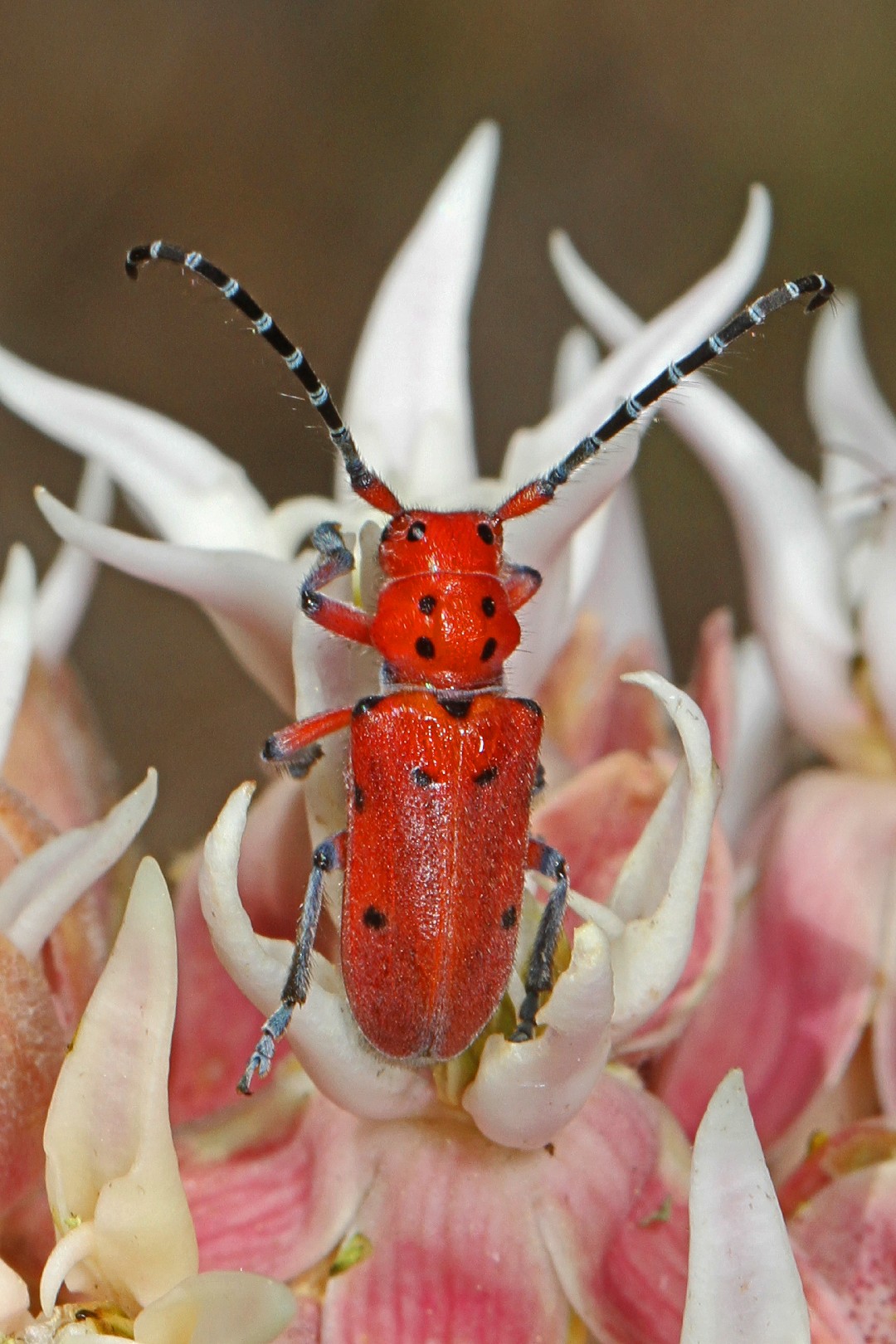
Milkweed Borer The Red-femured Milkweed Borer is a member of the Longhorn Beetle family (Cerambycidae), recognizable by its exceptionally long antennae that often exceed the length of its body. A defining physical trait of this species is the presence of tubercles, which are rounded projections located underneath its antennal sockets that are unique to this family. These beetles primarily feed on the roots and plant tissues of milkweed, and unlike many other flower-visiting insects, they do not serve as pollinators for the plant. As part of the order Coleoptera, they possess hardened protective forewings known as elytra and undergo a life cycle of complete metamorphosis. While many of its longhorn relatives bore into trees, this specific species is named for its specialized habit of boring into milkweed to feed. Informational Resources: |
|


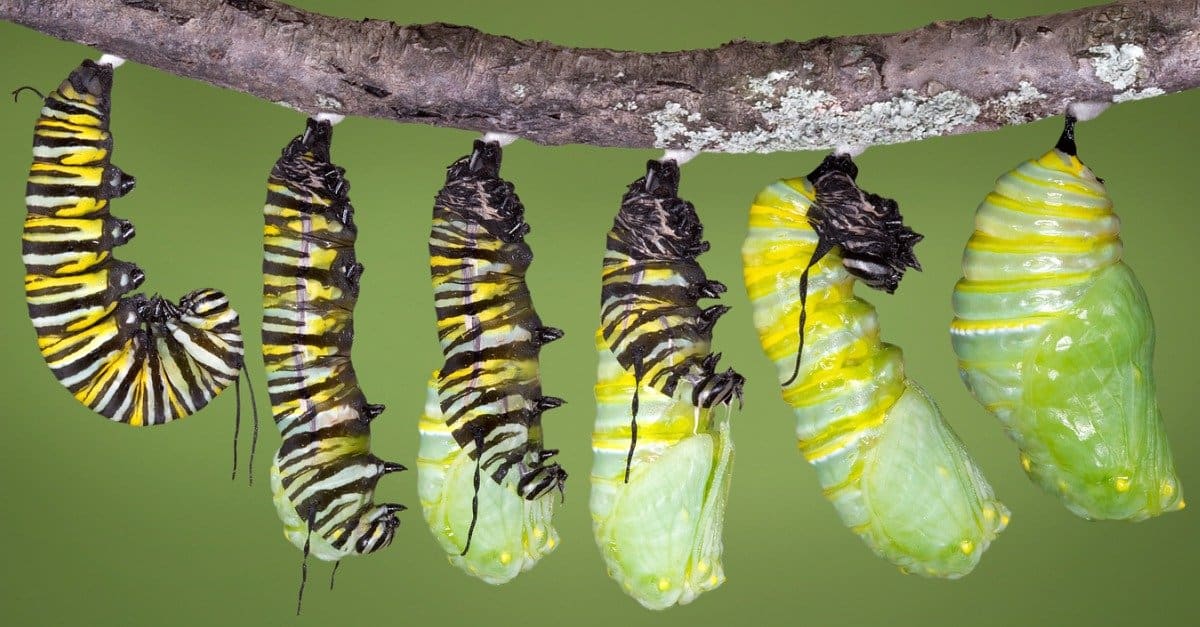
| Monarch Butterflies Monarch butterflies are large, bright orange insects characterized by black wing venation and white spots along their outer edges. As members of the brush-footed butterfly family, they possess clubbed antennae and reduced forelegs that often curl underneath the thorax. Their life cycle is closely tied to milkweed, which serves as the exclusive food source for their larvae and a primary nectar source for adults. They can be distinguished from nearly identical Viceroy butterflies by the absence of a thick black stripe across their hindwings. Notable for their complex fall migrations, these state insects of Idaho have faced rapid population declines due to factors like pesticides and habitat loss. Monarch butterflies migrate roughly 300 to 1,000 miles annually to overwinter, primarily along the California coast. While some travel up to 3,000 miles all the way to Mexico. Informational Resources: |


North American Tarnished Plant Bug The North American Tarnished Plant Bug is a species native to Idaho that belongs to the family Miridae, commonly known as plant bugs. While they tend to have dark brown bodies, their coloration can vary, and they are physically distinguished by a triangular-shaped cuneus on the tips of their forewings. These insects possess filiform antennae and use specialized four-segmented, piercing-sucking mouthparts to feed on plant tissues. They are considered major agricultural pests because they are known to feed on more than half of all commercially grown crop species. Although they lack ocelli (simple eyes), their nymphs are a common sight in fields and gardens, where they are often hunted by beneficial predators like damsel bugs. Informational Resources: |
|


Pallid-winged Grasshopper The Pallid-winged Grasshopper is a plant-eating insect with short antennae that lives in open fields and grasslands. Its brown, green, or black body helps it hide from predators by blending in with its surroundings. It is active during the day and flies using colorful back wings that produce a distinctive snapping sound as it moves. Although it prefers fresh plants, it will eat dead plant matter or other insects if food becomes scarce. Young grasshoppers look like tiny adults without wings and must shed their outer skins several times before growing into full maturity. Informational Resources: | Owyhee Harvester Ants Owyhee Harvester Ants are red-to-brown insects found in sagebrush-steppe habitats, identified by the beard-like hairs under their heads called psammophores used for carrying seeds and sediment. They build specialized nests in sunny areas consisting of sand mounds with pebbles that lead to underground tunnels reaching depths of up to three feet. These ants typically clear a circular area of vegetation up to 12 feet in diameter around their nests to help regulate moisture and soil temperature. While they primarily harvest seeds from grasses and forbs, they also scavenge for dead invertebrates and can sometimes cause damage to rangelands. Although harvester ants possess exceptionally toxic venom and deliver painful stings, the Owyhee species is usually docile unless specifically disturbed. Informational Resources:
|


